

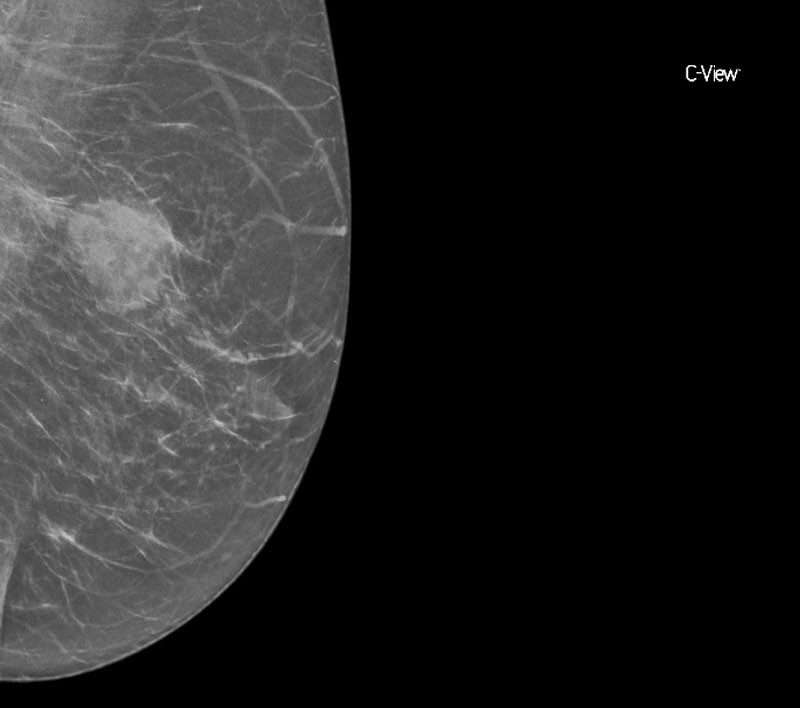
ML and Radiomics in Medical Imaging to find correlations between imaging and clinical or genetic categories such as the nature and severity of a lesion depending on the morphological district


DM-Suite is a framework for analyzing the predictive potential of generic feature sets for a wide variety of use cases
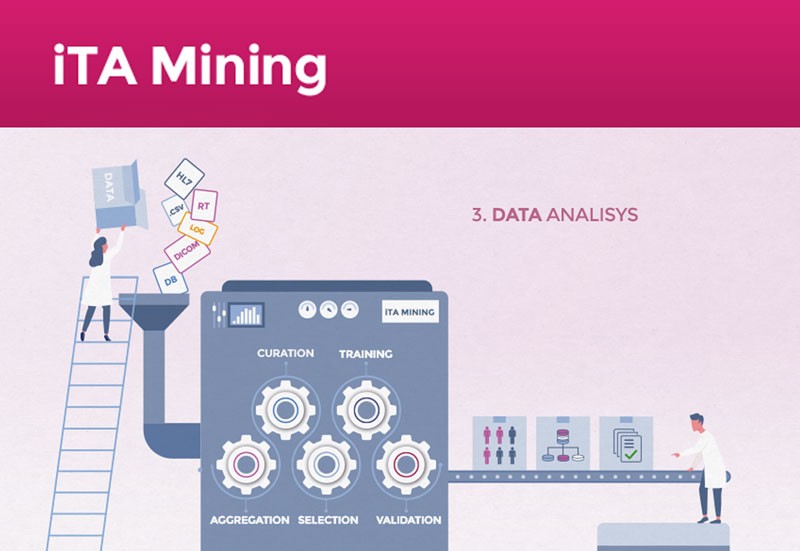
Request a demoDM-SUITE makes the process of describing an item, understood as a unit of analysis, as flexible and generic as possible, allowing the user through a plugin mechanism to easily develop or adapt his or her own methods of data acquisition and feature extraction.
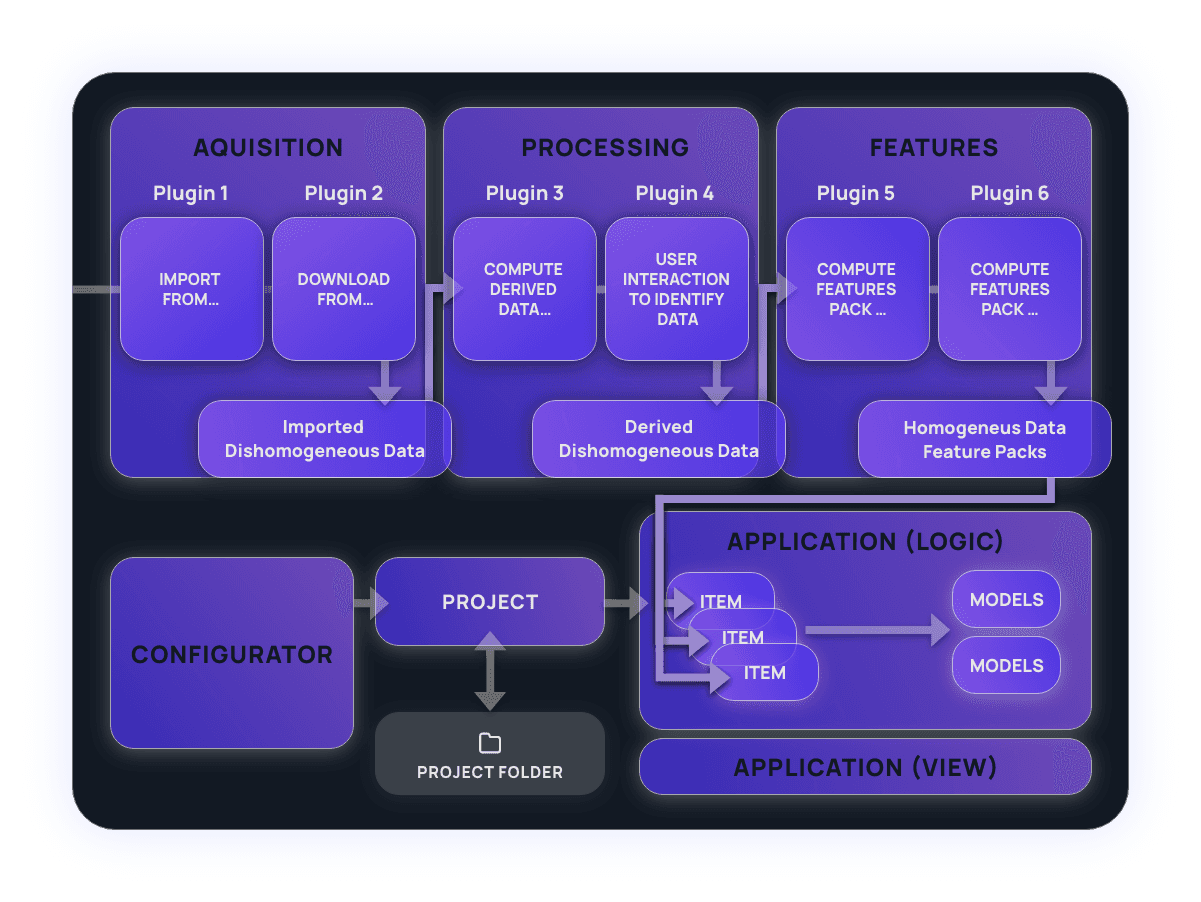

For each specific analysis project, it will be possible to configure how a single item is represented and to create a universe of items with similar descriptions. Different items can be associated with one or more types of classification by labeling and divided into different training and validation datasets.
Aquisition

Drivers for several industrial cameras. Allows raw images to be directly imported and be associated to an item to support classical image processing methods

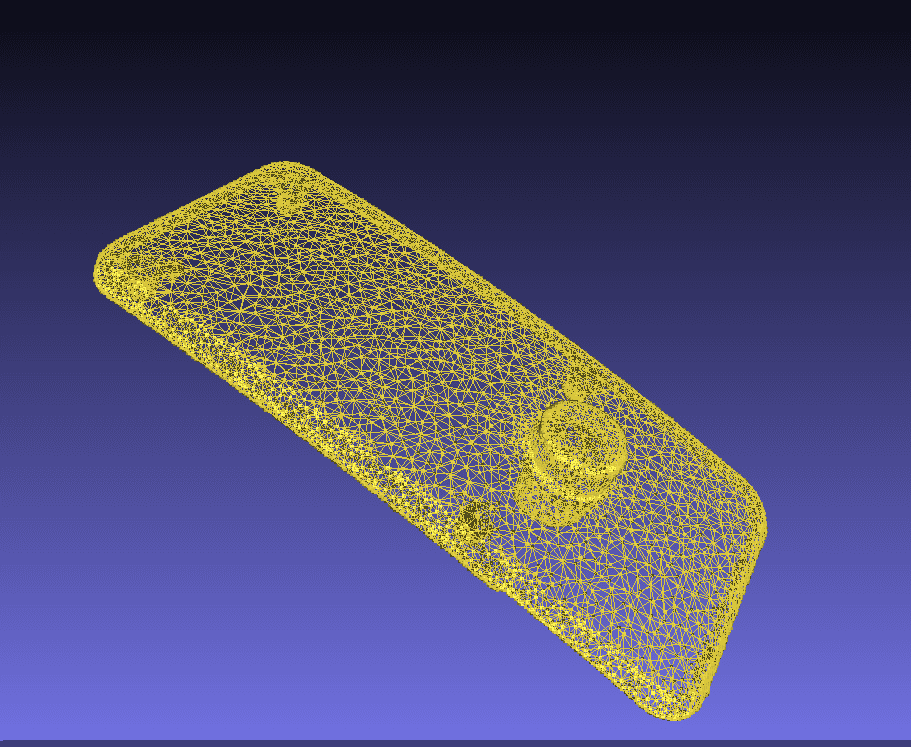
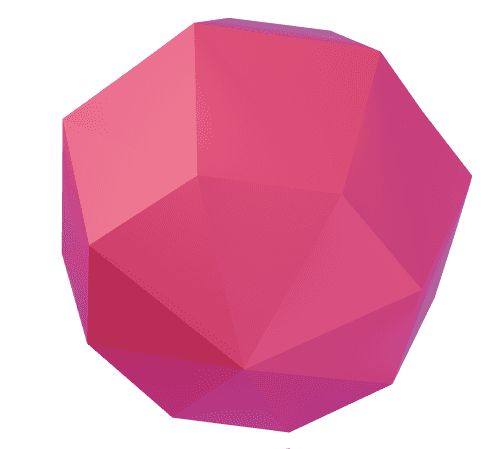
Acquisition of 3D samples from laser scans and different formats of point clouds sources to describe an item and its 3D shape

Interfaces with several formats of tabular info as , for example: csv files, direct connection to external databases, images and data from PACS system
Processing
Contouring Tools for images and dicom files to extract masks and identify item relevant areas, saved in 3D .obj or .stl formats

Wrappers for python , matlab , R to allow users to insert their own algorithms for single and composite data transformation in intermediate data structures

Packages with data integration, separation and normalization procedures
Feature Extraction

A set of classical features associated to image processing to describe statistics of image areas, texture and object shapes

Radiomics feature sets for 3D and 2D medical images (GLCM, first order, morphological)

Packages to compute relevant features sets from 3D data samples (CAD models, 3d point clouds)
Retrieve, import and aggregate several sources of inhomogeneous information

Transform them into a composite homogeneous set of features describing and item

Apply univariate and multivariate analysis techniques
Analyze which of the features describing an item are the most efficient in predicting a given classification
Develop different predictive models accordingly

Validate and compare these models with several standard and non standard metrics
ML and Radiomics in Medical Imaging to find correlations between imaging and clinical or genetic categories such as the nature and severity of a lesion depending on the morphological district
Slide 1 di 3
Join the portfolio of our satisfied customers and learn how to improve the quality of your data.
Contact us to request a demo.